
What is Diabetic Retinopathy?
Diabetic retinopathy is an eye problem caused by diabetes. It affects the blood vessels in the retina, which is the part of your eye that senses light. Over time, high blood sugar can damage these tiny vessels. As a result, vision loss may occur if the condition is not treated. In fact, diabetic retinopathy is a leading cause of blindness in adults. Early detection and care can help prevent serious vision problems.
Causes and Risk Factors
Diabetic retinopathy develops when high blood sugar harms the blood vessels in the retina. However, several factors can increase your risk:
Moreover, both type 1 and type 2 diabetes can lead to this eye complication. The longer you have diabetes, the higher your risk becomes.
Common Symptoms
At first, diabetic retinopathy may not cause any symptoms. But as the condition gets worse, you may notice changes in your vision. For example, you might see:
Because symptoms can be mild at first, regular eye exams are very important for people with diabetes.
Diagnosis and Screening
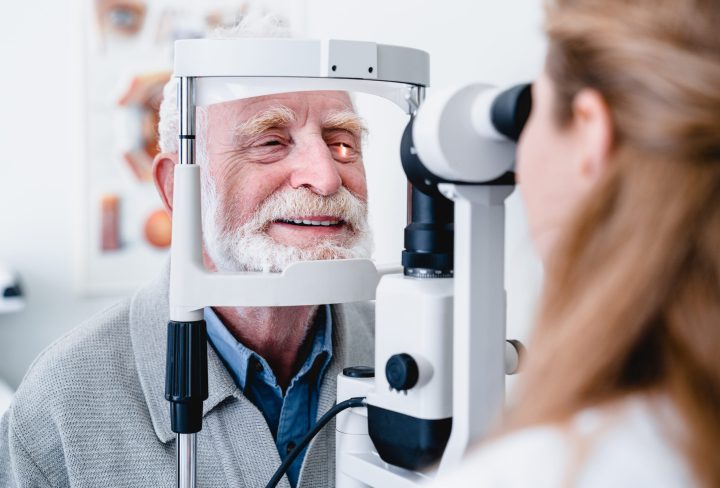
Early detection of diabetic retinopathy is key to protecting your eyesight. Eye doctors use several tests to check for this condition. Most often, they perform a dilated eye exam. During this test, the doctor uses special drops to widen your pupils. This allows them to look closely at the retina for any damage. In addition, some clinics offer retinal screening for diabetics using special cameras. These tests are quick and painless. According to the CDC, adults with diabetes should have a full eye exam at least once a year.
Treatment Options
Treatment for diabetic retinopathy depends on how severe the condition is. In the early stages, controlling your blood sugar, blood pressure, and cholesterol can slow the disease. However, if the disease has progressed, your doctor may suggest:
With proper care, many people can prevent further vision loss. New treatments continue to improve outcomes for patients.
Prevention and Lifestyle Tips
While diabetic retinopathy is serious, you can take steps to lower your risk. Here are some helpful tips:
By following these steps, you can help prevent vision loss and other eye complications of diabetes.
When to See an Eye Specialist
If you have diabetes, it is important to see an eye specialist at least once a year. However, you should seek help right away if you notice:
Early treatment can make a big difference. Many diabetic retinopathy clinics offer advanced care and screening. If you live in a city or region with these services, take advantage of them for better eye health.
If you have diabetes, consult an eye specialist regularly for personalized advice and early detection of diabetic retinopathy.