
What is Glaucoma?
Glaucoma is an eye disease that can damage the optic nerve. This nerve sends signals from your eye to your brain. Often, glaucoma develops slowly and may not show early signs. However, over time, it can lead to vision loss or even blindness. In the United States, glaucoma is a leading cause of blindness. Early detection and care are important for protecting your sight.
Why Preventing Glaucoma Progression Matters
Once vision is lost from glaucoma, it cannot be restored. Therefore, slowing down the disease is very important. If you take steps early, you can keep your vision for longer. Many people do not know they have glaucoma until it is advanced. For this reason, regular care and prevention are key. According to the CDC, early action can help reduce the risk of glaucoma vision loss.
Key Tips to Prevent Glaucoma Progression
Regular Eye Exams
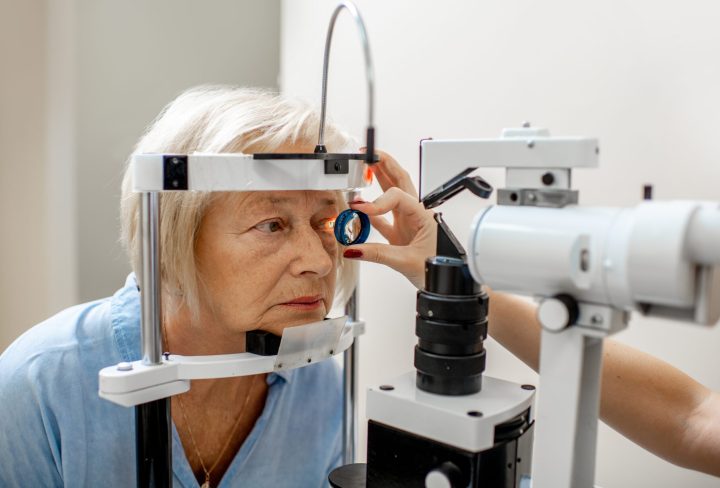
First, regular eye exams are the best way to catch glaucoma early. Your eye doctor can spot changes before you notice any symptoms. For adults over 40, experts recommend a full eye exam every one to two years. If you have a family history of glaucoma, you may need exams more often. Early detection helps slow down progression and protect your sight.
Medication Adherence
If your doctor prescribes eye drops or other medicine, use them exactly as directed. Missing doses can raise eye pressure and speed up damage. To help remember, set reminders on your phone or keep medicine in a visible spot. Always talk to your doctor if you have trouble with side effects or costs. Never stop taking your medicine without asking your eye specialist.
Healthy Lifestyle Choices
Making healthy choices can support your eye health. For example, you can:
These steps can help reduce the risk of glaucoma vision loss and support overall health.
Protecting Your Eyes
Eye injuries can make glaucoma worse. Therefore, always wear protective eyewear when playing sports or working with tools. Sunglasses can also shield your eyes from harmful UV rays. Even small injuries can raise eye pressure, so take care to protect your eyes every day.
Managing Other Health Conditions
Other health problems, like diabetes or high blood pressure, can affect your eyes. Because of this, it is important to manage these conditions well. Take your medicines as prescribed and see your doctor regularly. Keeping your blood sugar and blood pressure in check can help slow down glaucoma progression.
Frequently Asked Questions
Conclusion & Call-to-Action
In summary, glaucoma prevention is possible with regular eye exams, proper medication use, and healthy habits. Because vision loss from glaucoma cannot be reversed, early action is vital. If you have concerns or a family history of glaucoma, do not wait. Consult an eye specialist for personalized glaucoma management and prevention advice.