
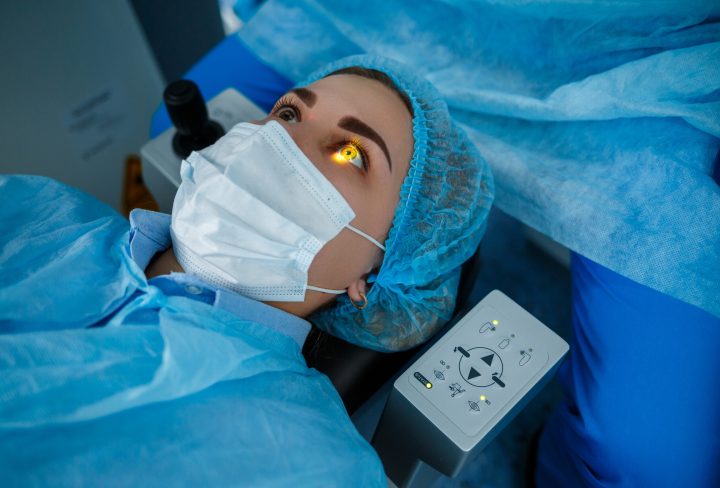
What is Lasik Surgery?
Lasik surgery is a popular vision correction procedure. It uses a special laser to reshape the clear front part of your eye, called the cornea. Because of this, many people can see clearly without glasses or contact lenses after the surgery. In fact, the World Health Organization notes that millions choose laser eye surgery each year for better vision. While Lasik is quick, it is important to know what to expect before, during, and after the procedure.
Who is a Good Candidate?
Not everyone is a good fit for Lasik surgery. However, you may be a good candidate if you:
Still, only an eye doctor can decide if Lasik is safe for you. Therefore, always get a full eye exam before making a choice.
Benefits of Lasik Surgery
Lasik surgery offers many benefits. For example, most people notice clearer vision within a day. Here are some key advantages:
Additionally, the procedure is safe when performed by a certified ophthalmologist. Because of these benefits, Lasik remains a top choice for vision correction.
Risks and Possible Side Effects
Like any surgery, Lasik has some risks. However, most side effects are mild and temporary. Common risks include:
Although serious problems are rare, you should talk to your doctor about all possible risks. This way, you can make an informed decision about laser eye surgery.
The Lasik Procedure: Step-by-Step
Understanding the Lasik procedure can help you feel more at ease. Here is what usually happens:
The whole process takes about 15 minutes for both eyes. Most people feel only mild pressure, not pain, during the vision correction procedure.
Recovery and Aftercare Tips
Proper care after Lasik surgery helps your eyes heal faster. Here are some helpful Lasik recovery tips:
Because everyone heals differently, always follow your doctor’s advice for the best results.
Frequently Asked Questions
Is Lasik surgery painful?
Most people feel little to no pain. Numbing drops keep you comfortable during the procedure.
How soon can I return to work?
Many people go back to work within one or two days. However, your doctor may suggest waiting longer if your job requires heavy eye use.
Will I need glasses after Lasik?
Most people do not need glasses for daily tasks. Still, some may need reading glasses as they age.
Is Lasik permanent?
For many, the results last for years. However, your eyes can still change over time, so some people may need a touch-up later.
Lasik surgery can be a safe and effective way to improve your vision. However, it is important to learn about the benefits and risks. Consult a certified ophthalmologist to find out if Lasik surgery is right for you.