
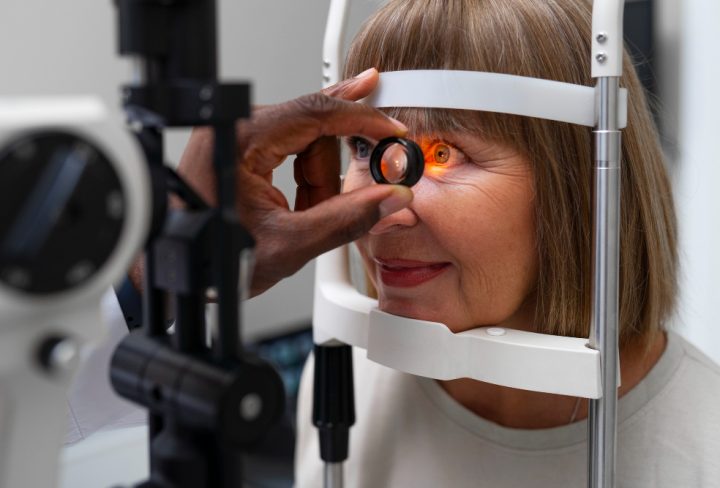
What Is Cataract Surgery?
Cataract surgery is a common eye procedure. It removes a cloudy lens from your eye and replaces it with a clear artificial lens. Because cataracts can make your vision blurry, this surgery helps you see better. According to the World Health Organization, cataract surgery is safe and effective for most people. Many patients notice improved vision soon after the procedure.
Who Needs Cataract Surgery?
Not everyone with cataracts needs surgery right away. However, you may need cataract surgery if:
Usually, your eye doctor will suggest surgery when cataracts affect your daily life. Sometimes, people with other eye problems may need surgery sooner. Always talk to your doctor about your symptoms.
Preparing for Cataract Surgery
Before cataract surgery, your doctor will check your eyes. They may measure your eye to choose the right lens. In addition, you may need to stop certain medicines. Your doctor will give you clear instructions. Sometimes, you may need to use special eye drops before surgery. Remember, arrange for someone to drive you home after the procedure.
What Happens During the Procedure?
Cataract surgery is usually quick and painless. Most people stay awake, but you will get medicine to relax. First, the doctor numbs your eye. Next, they make a tiny cut in your eye. Then, they remove the cloudy lens and put in a new clear lens. The whole cataract surgery procedure often takes less than 30 minutes. Afterward, you rest for a short time before going home.
Recovery and Aftercare
After cataract surgery, your vision may be blurry at first. However, most people see better within a few days. Your doctor will give you eye drops to prevent infection and help healing. You should avoid rubbing your eye or getting water in it. Usually, you can return to normal activities in a few days. But, always follow your doctor’s advice for cataract surgery recovery.
Potential Risks and Complications
Cataract surgery is very safe, but all surgeries have some risks. Possible problems include:
Most side effects are mild and go away with treatment. Still, it is important to know what to expect after cataract surgery and watch for warning signs.
Tips for a Smooth Recovery
To help your eyes heal after cataract surgery, try these tips:
With proper care, most people recover quickly and enjoy clearer vision.
When to Contact Your Eye Doctor
After cataract surgery, you should call your eye doctor right away if you notice:
Early treatment can prevent serious problems. Therefore, do not wait if you have concerns.
In summary, cataract surgery is a safe way to restore clear vision. If you have questions or want to know if surgery is right for you, consult an eye specialist for personalized advice about cataract surgery.