
The Importance of Regular Eye Check-Ups
Many people think they only need an eye exam if they notice vision problems. However, regular eye check-ups are important for everyone. Even if you feel fine, your eyes could have hidden issues. Preventive eye care helps find problems early. In fact, some eye diseases show no signs at first. Early detection of eye problems can protect your vision for years to come.
Common Eye Conditions Without Early Symptoms
Some eye diseases develop slowly and quietly. You may not notice any changes until the condition is serious. For example, glaucoma is often called the “silent thief of sight.” It can damage your vision before you feel anything. Similarly, diabetic retinopathy and age-related macular degeneration may not cause early symptoms. According to the CDC, millions of Americans have undiagnosed eye diseases. Regular eye check-ups can catch these problems before they harm your sight.
Benefits of Early Detection and Prevention
Early detection of eye problems offers many benefits. First, it allows for quick treatment. This can stop or slow down vision loss. Also, some eye conditions are linked to other health issues. For instance, high blood pressure and diabetes can affect your eyes. Regular eye exams can reveal these problems early. As a result, you can get the care you need sooner. According to the World Health Organization, up to 80% of vision loss is preventable or treatable with early care.
What to Expect During a Routine Eye Exam
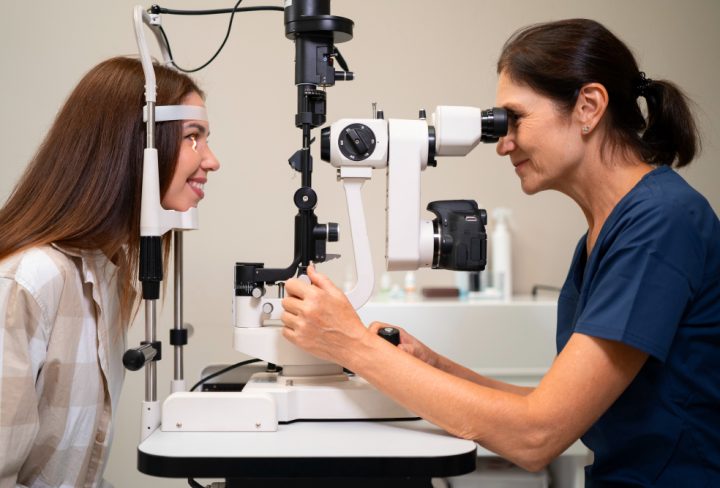
Many people feel nervous about eye exams. However, the process is simple and painless. During a regular eye check-up, your eye doctor will ask about your health and vision. Next, they will check your eyesight with simple tests. They may use special lights to look at the inside of your eyes. Sometimes, they will check your eye pressure to screen for glaucoma. If you need glasses or contacts, your doctor will help you find the right prescription. Overall, the exam takes about 30 to 60 minutes.
How Often Should You Get Your Eyes Checked?
How often you need an eye exam depends on your age, health, and risk factors. For most adults, experts suggest a check-up every one to two years. Children should have their eyes checked before starting school. If you have diabetes, a family history of eye disease, or wear glasses, you may need more frequent visits. Your eye doctor can recommend the best schedule for you. In many cities, local clinics and hospitals offer affordable eye exams for all ages.
Tips for Maintaining Eye Health
Besides regular eye check-ups, you can take simple steps to protect your vision. For example, wear sunglasses to block harmful UV rays. Eat a balanced diet rich in leafy greens and fish. Take breaks from screens to rest your eyes. Also, avoid smoking, as it can harm your eyes. If you notice any changes in your vision, see an eye doctor right away.
Conclusion: Take Charge of Your Eye Health
In summary, regular eye check-ups are key to healthy vision. Even if you feel fine, hidden problems can develop without warning. Early detection and preventive eye care can save your sight. Schedule your next eye exam today. For personal advice, consult an eye specialist who can guide you based on your needs.