
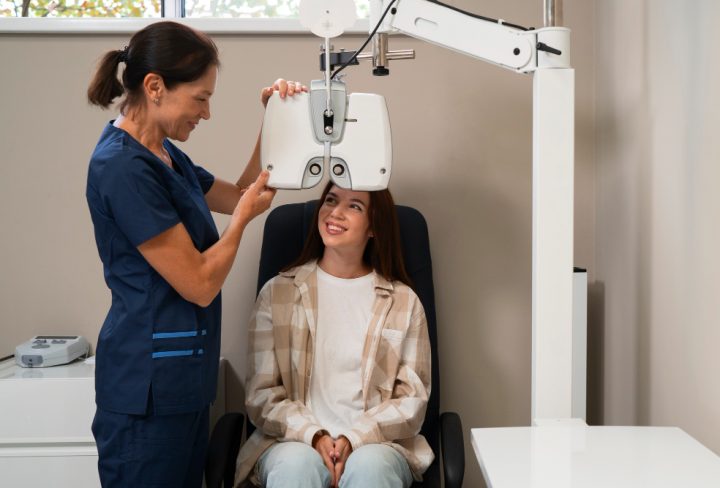
Regular eye exams are checkups that help keep your eyes healthy. These exams can spot problems early, even before you notice any changes. Because your eyes are so important, regular eye exams matter for everyone. They help protect your vision and catch issues before they become serious. In this blog, you will learn about the benefits of regular eye exams, what happens during a visit, and how often you should get an eye exam.
What Are Regular Eye Exams?
Regular eye exams are visits to an eye doctor to check your vision and eye health. During these checkups, the doctor looks for changes in your eyesight. They also check for signs of eye diseases. For example, you may read letters on a chart or look into special machines. These exams are not just for people who wear glasses. In fact, everyone should get regular eye exams to keep their eyes healthy.
Why Are Regular Eye Exams Important?
Regular eye exams are important for many reasons. First, they help find eye problems early. Early treatment can stop many eye diseases from getting worse. Also, some eye diseases do not show symptoms right away. Because of this, you may not know you have a problem until it is serious. Regular eye exams can also spot other health issues, like diabetes or high blood pressure. In addition, these checkups help keep your glasses or contact lens prescription up to date. According to the CDC, regular eye exams are key to preventing vision loss.
Common Eye Conditions Detected Early
Many eye problems can be found early with regular eye exams. Some common conditions include:
Because these problems can be serious, early detection during eye health checkups is very important.
What to Expect During an Eye Exam
During a regular eye exam, the doctor will do several tests. First, you may answer questions about your health and vision. Next, you will read letters on a chart to check how well you see. The doctor may shine a light in your eyes or use drops to widen your pupils. This helps them look at the back of your eye. Sometimes, you may have extra tests if needed. Most exams are quick and painless. As a result, you can feel comfortable during your visit.
How Often Should You Get an Eye Exam?
How often should you get an eye exam? It depends on your age and health. Here are some general guidelines:
However, your doctor may suggest more frequent visits based on your needs. Always follow their advice for the best eye care.
Tips for Maintaining Eye Health
Besides regular eye exams, you can take steps to keep your eyes healthy. For example:
By following these tips, you can help prevent vision loss and keep your eyes strong.
Frequently Asked Questions About Eye Exams
In summary, regular eye exams are a simple way to protect your vision and overall health. Early detection and treatment can prevent many serious problems. If you have questions or need advice, consult an eye care specialist for personalized care.