
What is Amblyopia?
Amblyopia, often called “lazy eye,” is a common vision problem in children. In this condition, one eye does not develop normal vision. As a result, the brain favors the stronger eye. Over time, the weaker eye gets worse. Early treatment is important. According to the World Health Organization, amblyopia is a leading cause of vision loss in children. However, with the right care, many children can improve their vision.
Common Causes of Amblyopia
There are several lazy eye causes. Sometimes, the eyes do not work together. Other times, one eye may have a problem that the other does not. Here are the main causes:
Because these issues can start early, regular eye checks are important for children.
Recognizing Symptoms of Amblyopia
Many parents wonder about amblyopia symptoms. Early signs can be hard to spot. Still, some symptoms may include:
Sometimes, children do not complain about vision problems. Therefore, regular eye exams are key for early detection.
How Amblyopia is Diagnosed
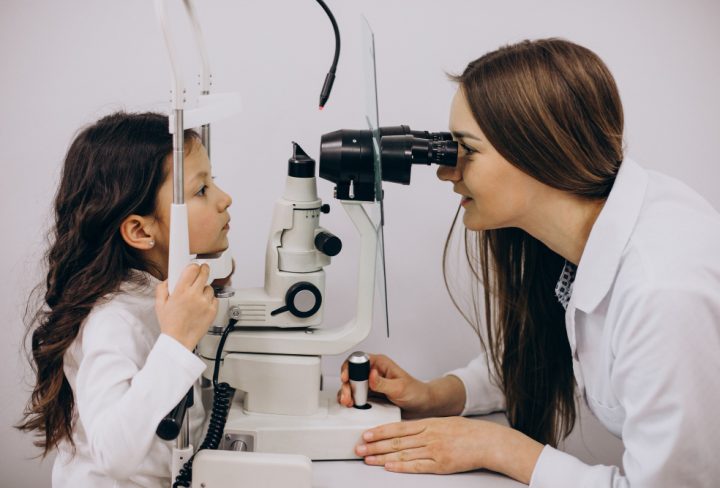
Doctors use several tests to diagnose amblyopia. First, they check how each eye sees. Next, they look for differences in vision between the eyes. Sometimes, they use special tools to see how the eyes focus. In addition, they may check for eye alignment. According to the CDC, early diagnosis helps prevent long-term vision loss. For this reason, children should have their eyes checked before they start school.
Treatment Options for Amblyopia
There are several amblyopia treatment options. The main goal is to make the weaker eye stronger. Here are common treatments:
Because early treatment works best, starting as soon as possible is important. Most children respond well if treatment begins early.
Tips for Prevention and Eye Health
Many parents ask how to prevent amblyopia. While not all cases can be avoided, you can lower the risk. Here are some tips:
Because early action helps, do not wait if you notice any changes in your child’s vision.
When to See an Eye Specialist
If you notice any signs of amblyopia, see an eye specialist right away. Early visits can prevent vision loss. Even if your child seems fine, regular eye checks are important. After all, some problems are hard to spot without a doctor’s help. In summary, quick action gives your child the best chance for healthy vision.
If you notice any signs of amblyopia, consult an eye specialist for personalized advice.