
Introduction
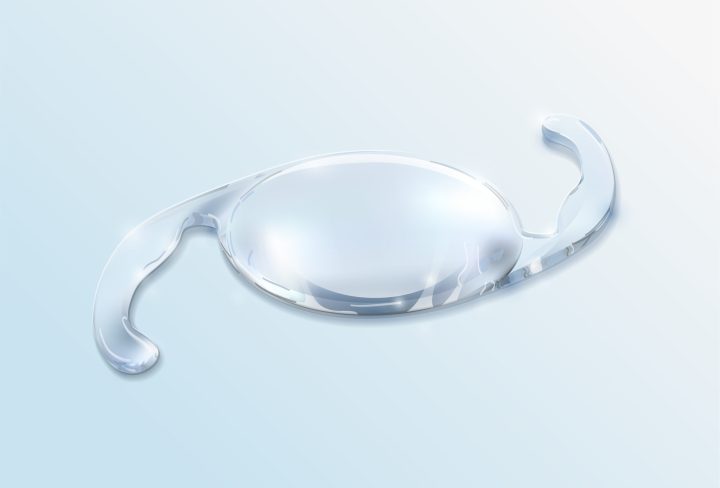
An intraocular lens is an artificial lens placed inside the eye. Doctors use it to replace a cloudy natural lens, often during cataract surgery. Many people choose intraocular lens surgery to improve their vision. Because this procedure is common, it is important to know the types, benefits, and risks of intraocular lenses. In this blog, you will learn what to expect before, during, and after eye lens replacement.
What Is an Intraocular Lens?
An intraocular lens, or IOL, is a clear, artificial lens. Surgeons place it inside the eye to replace the eye’s natural lens when it becomes cloudy. Usually, this happens during cataract surgery. The IOL helps focus light on the retina, which allows you to see clearly. Most people do not feel the lens after surgery. In fact, it stays in place for life.
Types of Intraocular Lenses
There are several types of intraocular lenses. Each type has its own benefits. Your eye doctor will help you choose the best one for your needs. The main types include:
Benefits of Intraocular Lenses
Intraocular lenses offer many benefits. First, they restore clear vision after cataract removal. In addition, some IOLs can reduce your need for glasses. Many people notice brighter colors and sharper vision. Because the lens is permanent, you do not need to replace it. Most people return to daily activities quickly after surgery. According to the World Health Organization, cataract surgery with IOLs is safe and effective for most patients.
Risks and Possible Complications
Although intraocular lens surgery is safe, there are some risks. For example, you may have blurry vision or glare after surgery. Sometimes, the eye can become infected or inflamed. Rarely, the lens may move out of place. Other possible risks include:
However, most side effects are mild and improve with treatment. Always follow your doctor’s advice for the best results.
What to Expect Before, During, and After Surgery
Before surgery, your eye doctor will check your eyes and discuss your options. You may need to stop certain medicines. On the day of surgery, you will get eye drops to numb your eye. The doctor will remove the cloudy lens and place the intraocular lens inside your eye. The procedure usually takes less than 30 minutes. After surgery, you may need to wear an eye shield. Most people go home the same day. You will use special eye drops to help your eye heal. Vision often improves within a few days. However, full recovery may take a few weeks.
Frequently Asked Questions
Prevention and Eye Health Tips
While you cannot always prevent cataracts, you can protect your eye health. For example, wear sunglasses to block harmful UV rays. Eat a healthy diet rich in fruits and vegetables. Do not smoke, as it increases your risk of eye problems. In addition, have regular eye exams, especially if you are over 60. Early detection helps keep your eyes healthy.
When to Consult an Eye Specialist
If you notice cloudy vision, glare, or trouble seeing at night, see an eye specialist. Early treatment can prevent further vision loss. Also, if you have questions about intraocular lens surgery or want to know which type is best for you, talk to an ophthalmologist. They can guide you based on your needs and eye health.
Conclusion
Intraocular lenses help restore clear vision after cataract surgery. There are different types to suit your needs. Although the surgery is safe, it is important to know the risks and benefits. With proper care, most people enjoy better vision and a quick recovery. For more details, always seek advice from a trusted eye doctor.
Consult an ophthalmologist for personalized guidance on intraocular lenses.