
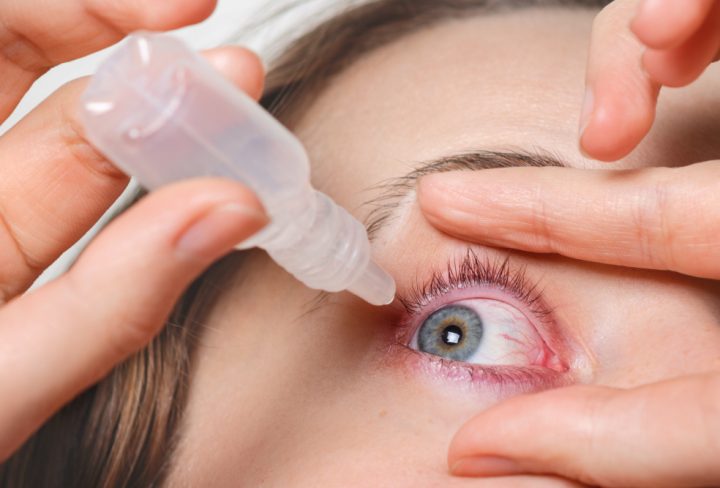
Introduction to Dry Eye Disease (DED)
Dry eye disease is a common eye problem that affects millions of people. In this condition, your eyes do not make enough tears or the tears dry up too fast. As a result, your eyes may feel dry, itchy, or uncomfortable. Many people notice these symptoms, especially in dry or windy places. Because dry eye disease can affect your daily life, it is important to understand its symptoms, causes, and treatments.
Common Symptoms of Dry Eye Disease
Dry eye disease can cause many different symptoms. Often, these signs may come and go. However, if you notice them often, it is wise to pay attention. Common symptoms include:
Sometimes, symptoms get worse in air-conditioned rooms or after long screen use. Therefore, noticing these signs early can help you seek care sooner.
Main Causes and Risk Factors
There are many reasons why dry eye disease can develop. Some causes are linked to your body, while others are related to your environment. For example, aging is a common cause, as tear production drops with age. Other causes and risk factors include:
Additionally, people who smoke or spend time in air-conditioned rooms may have a higher risk. Knowing these factors can help you take steps to protect your eyes.
Diagnosis Methods for Dry Eye Disease
If you think you have dry eye disease, an eye doctor can help. First, the doctor will ask about your symptoms and health history. Next, they may check your eyes using simple tests. For example, they might use special drops to see how quickly your tears dry. They may also measure how many tears your eyes make. Sometimes, the doctor will look at your eyelids and the surface of your eyes. Because early diagnosis leads to better care, it is important to see a specialist if you have ongoing symptoms.
Treatment Options for Dry Eye Disease
There are many ways to treat dry eye disease. Your doctor will suggest the best plan for you. Some common treatments include:
In addition, your doctor may suggest changes in your daily habits. For example, taking breaks from screens or using a humidifier can help. Because each person is different, your treatment may need to be adjusted over time.
Prevention Tips and Daily Care
While not all cases can be prevented, you can lower your risk of dry eye disease with simple steps. For instance, try these tips:
Moreover, people living in dry or cold climates may need extra care. Therefore, adjusting your routine based on your environment can make a big difference.
When to See an Eye Specialist
Sometimes, dry eye disease can lead to more serious problems. If your symptoms do not improve with home care, or if you have pain, vision changes, or eye redness that does not go away, you should see an eye specialist. Early treatment can prevent damage and keep your eyes healthy. In summary, do not ignore ongoing discomfort. Instead, seek expert advice for the best care.
Consult an eye specialist for personalized advice on managing dry eye disease.