
Introduction
Glaucoma is a group of eye diseases that can damage the optic nerve. This nerve sends signals from your eye to your brain. Often, glaucoma develops slowly and shows no early signs. Because of this, many people do not know they have it. However, regular eye exams and glaucoma screening can help catch the disease early. Early detection is key to protecting your vision. In this blog, you will learn why glaucoma screening is important and how it can help you keep your eyes healthy.
What Is Glaucoma?
Glaucoma is an eye condition that causes damage to the optic nerve. Usually, this happens when fluid builds up in the front part of the eye. As a result, the pressure inside the eye increases. Over time, this pressure can harm the optic nerve. If left untreated, glaucoma can lead to vision loss or even blindness. Although anyone can get glaucoma, it is more common in older adults. According to the World Health Organization, glaucoma is a leading cause of blindness worldwide.
Why Is Glaucoma Screening Important?
Many people with glaucoma do not notice any symptoms at first. In fact, vision loss often starts at the edges and moves inward. Because of this, you may not realize you have a problem until it is advanced. Regular glaucoma screening can find the disease before you lose vision. Early treatment can slow or stop further damage. Therefore, eye exams are vital for everyone, especially those at higher risk.
Who Should Get Screened for Glaucoma?
While anyone can develop glaucoma, some people have a higher risk. You should consider regular screening if you:
Even if you do not have these risk factors, regular eye exams are still important. For most adults, experts recommend a comprehensive eye exam every one to two years.
How Is Glaucoma Detected? (Screening Methods)
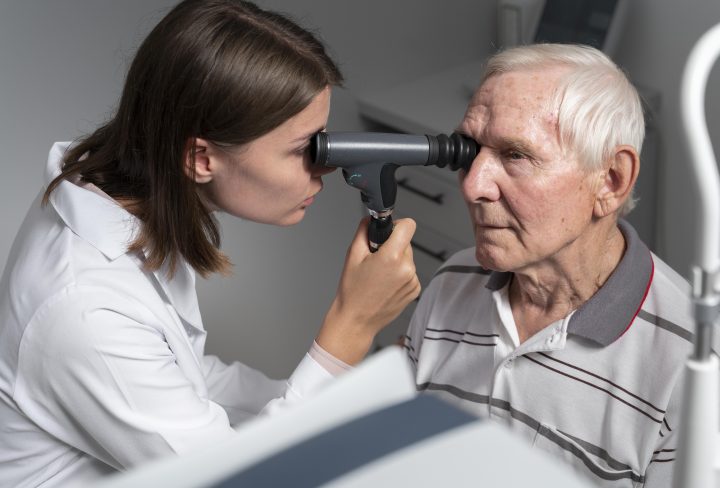
Glaucoma screening uses several simple and painless tests. During an eye exam, your eye doctor may:
Because these tests are quick and easy, you can get screened during a regular eye exam. If your doctor finds any signs of glaucoma, they may suggest more tests or start treatment right away.
Benefits of Early Detection
Early detection of glaucoma offers many benefits. For example, it can:
Because glaucoma damage cannot be reversed, catching it early is the best way to protect your sight. Regular eye exams give you the best chance to keep your eyes healthy.
Tips for Maintaining Eye Health
Besides regular glaucoma screening, you can take steps to keep your eyes healthy. Here are some simple tips:
Because small changes can make a big difference, start these habits today.
Frequently Asked Questions About Glaucoma Screening
Conclusion
In summary, glaucoma screening is a simple way to protect your vision. Because glaucoma often has no early symptoms, regular eye exams are essential. Early detection and treatment can help you keep your eyes healthy for years to come. Schedule your next eye exam today and talk to your eye specialist for advice that fits your needs.