
Introduction
Diabetic retinopathy is a serious eye problem linked to diabetes. It happens when high blood sugar damages the tiny blood vessels in your eyes. Because vision is so important, protecting it from diabetes-related eye damage is crucial. Early care can help prevent vision loss. In this blog, you will learn about diabetic retinopathy, its symptoms, causes, and how to protect your eyes.
What Is Diabetic Retinopathy?
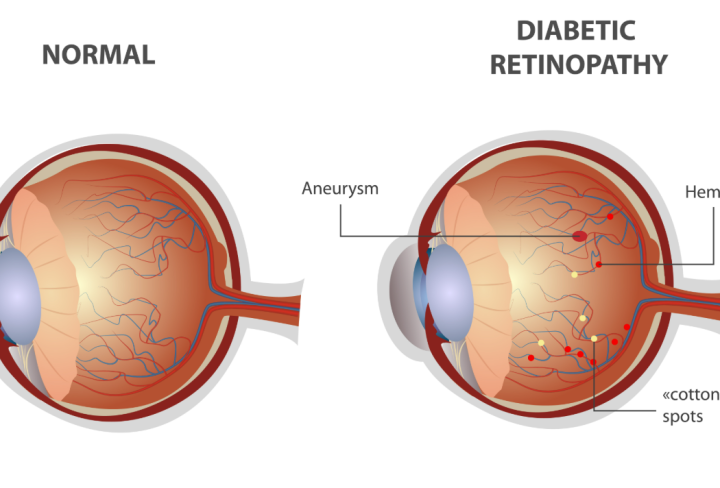
Diabetic retinopathy is an eye disease caused by diabetes. Over time, high blood sugar harms the blood vessels in the retina. The retina is the part of your eye that senses light. When these blood vessels are damaged, they can leak fluid or bleed. As a result, your vision may become blurry or even lost. Both type 1 and type 2 diabetes can lead to this condition. However, regular eye exams can help catch it early.
Symptoms of Diabetic Retinopathy
At first, you may not notice any symptoms. But as the disease gets worse, you might see changes in your vision. For example, you may notice:
Because symptoms can be mild at first, regular eye check-ups are very important. Early detection can help protect your vision.
Causes and Risk Factors
Diabetic retinopathy is mainly caused by high blood sugar over time. However, several factors can increase your risk. These include:
Because these risks add up, managing your diabetes and overall health is key. According to the CDC, keeping blood sugar, blood pressure, and cholesterol in check lowers your risk.
How Diabetic Retinopathy Is Diagnosed
Eye doctors use special tests to find diabetic retinopathy. Usually, they will:
Because early stages may not cause symptoms, regular eye exams are vital. The American Diabetes Association recommends yearly eye checks for people with diabetes.
Treatment Options for Diabetic Retinopathy
Treatment depends on how severe the disease is. In early stages, good blood sugar control may slow or stop damage. However, if the disease is advanced, your doctor may suggest:
Because each case is different, your eye doctor will help choose the best treatment for you.
Lifestyle Tips to Protect Your Vision
Although diabetic retinopathy can be serious, you can take steps to protect your eyes. For example:
Because small changes add up, these habits can help keep your eyes healthy.
Prevention: How to Lower Your Risk
Preventing diabetic retinopathy starts with good diabetes care. Here are some ways to lower your risk:
Because prevention is easier than treatment, these steps can help you avoid vision loss.
Conclusion
Diabetic retinopathy is a common cause of vision loss in people with diabetes. However, early detection and good diabetes control can help protect your sight. Consult an eye specialist for personalized advice and regular eye exams.