
What Are Winter Eye Allergies?
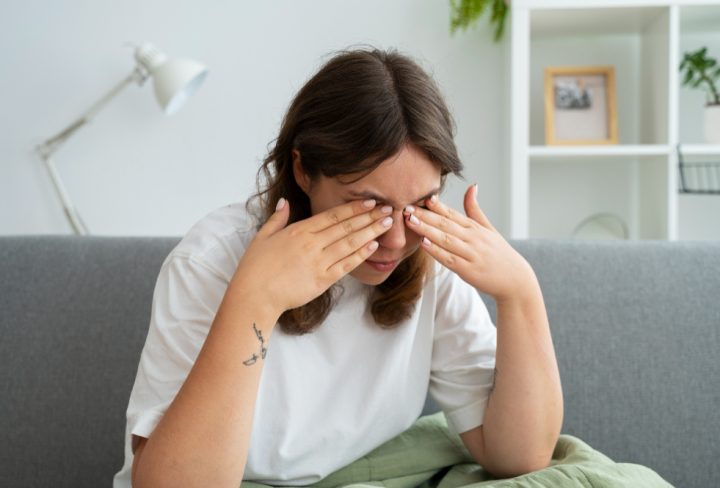
Winter and eye allergies often go hand in hand. During the colder months, many people notice itchy, red, or watery eyes. These symptoms are called winter eye allergies. They happen when your eyes react to things like dust, mold, or indoor heating. Because the air is drier in winter, your eyes can become more sensitive. As a result, your cornea, which is the clear front part of your eye, may get irritated. Protecting your eyes in winter is important for good vision and comfort.
Common Symptoms Affecting the Cornea
Winter eye allergies can cause several symptoms. Some of these affect your cornea directly. For example, you may notice:
Sometimes, these symptoms can make daily activities harder. If you notice pain or changes in your vision, it is important to seek help.
Causes and Risk Factors in Winter
Many things can trigger winter eye allergies. For instance, indoor heating dries out the air. This can make your eyes feel dry and itchy. In addition, dust mites and mold can build up indoors during winter. Some people are more sensitive to these allergens. Wearing contact lenses or having a history of allergies can also increase your risk. Cold winds and low humidity outside can further irritate your eyes.
How Winter Allergies Impact Your Cornea
Winter allergies can harm your cornea in several ways. First, constant rubbing of itchy eyes can scratch the cornea. This may lead to pain or infection. Second, dryness from indoor heating can cause tiny cracks on the cornea’s surface. Over time, these cracks may make your eyes more likely to get infected. Therefore, taking steps to protect your cornea during allergy season is key for corneal health during allergies.
Diagnosis: When to See an Eye Specialist
Sometimes, home care is not enough. If your symptoms last more than a few days, you should see an eye specialist. Also, if you notice severe pain, light sensitivity, or sudden vision changes, seek help right away. An eye doctor can check your cornea and suggest the best treatment. Early diagnosis helps prevent serious problems and keeps your eyes healthy.
Effective Prevention Tips for Protecting Your Cornea
There are many ways to protect your cornea during winter. Try these winter eye care tips:
By following these steps, you can help prevent corneal damage from allergies.
Home Remedies and Lifestyle Guidance
Simple changes at home can make a big difference. For example, you can:
These steps can help you manage mild symptoms and support healthy eyes all winter.
Medical Treatments and When They’re Needed
Sometimes, home care is not enough to control symptoms. In these cases, your doctor may suggest:
According to the American Academy of Ophthalmology, proper treatment can prevent long-term damage. Always follow your doctor’s advice for the best results.
Frequently Asked Questions (FAQs)
If you have persistent eye symptoms this winter, consult an eye specialist for personalized advice. Taking care of your cornea now can help you enjoy clear, comfortable vision all season long.