
What is Diabetic Retinopathy?
Diabetic retinopathy is an eye problem caused by diabetes. It happens when high blood sugar damages the tiny blood vessels in the retina. The retina is the part of your eye that helps you see. Over time, this damage can lead to vision loss in diabetes. In fact, diabetic retinopathy is a leading cause of blindness in adults. Many people with diabetes may develop this condition. However, early care can help protect your sight. Eye complications from diabetes are common, so regular check-ups are important.
Symptoms of Diabetic Retinopathy
At first, you may not notice any symptoms. But as the condition gets worse, you might see changes in your vision. For example, you may notice:
Sometimes, symptoms come and go. But if you notice any changes, it is important to see an eye doctor right away. Early treatment can prevent further vision loss.
Causes and Risk Factors
Diabetic retinopathy is mainly caused by high blood sugar levels over time. This damages the blood vessels in the retina. However, other factors can increase your risk, such as:
Because these risks add up, managing your diabetes is very important. In addition, regular eye exams can help catch problems early.
How Diabetic Retinopathy is Diagnosed
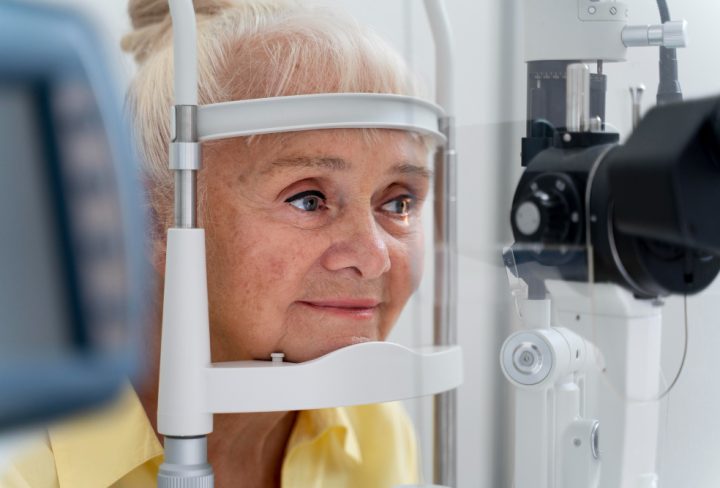
Doctors use a simple eye exam to check for diabetic retinopathy. During the exam, your eyes may be dilated with drops. This helps the doctor see the back of your eye better. Sometimes, special pictures or scans are taken. For example, a test called fluorescein angiography shows blood flow in the retina. Optical coherence tomography (OCT) gives detailed images of the retina. These tests help your doctor find any damage or swelling. Early diagnosis is key to protecting your vision.
Treatment Options
Treatment depends on how severe the diabetic retinopathy is. In mild cases, better blood sugar control may be enough. However, if the condition is advanced, your doctor may suggest:
With the right treatment, many people can keep their vision. But regular follow-up is important. Your eye doctor will help you choose the best option.
Prevention and Lifestyle Tips
While diabetic retinopathy can be serious, you can lower your risk. Try these tips to protect your eyes:
Because prevention is better than cure, these steps can help you avoid serious eye problems. In many cities, diabetic eye care is available to support you.
When to See an Eye Specialist
If you have diabetes, see an eye specialist at least once a year. However, if you notice sudden changes in your vision, do not wait. For example, if you see flashes, floaters, or lose vision, get help right away. Early care can save your sight. Your doctor can guide you on the best steps for your eye health.
If you have diabetes or notice changes in your vision, consult an eye specialist for personalized guidance. Protect your eyes and enjoy clear vision for years to come.