
Introduction
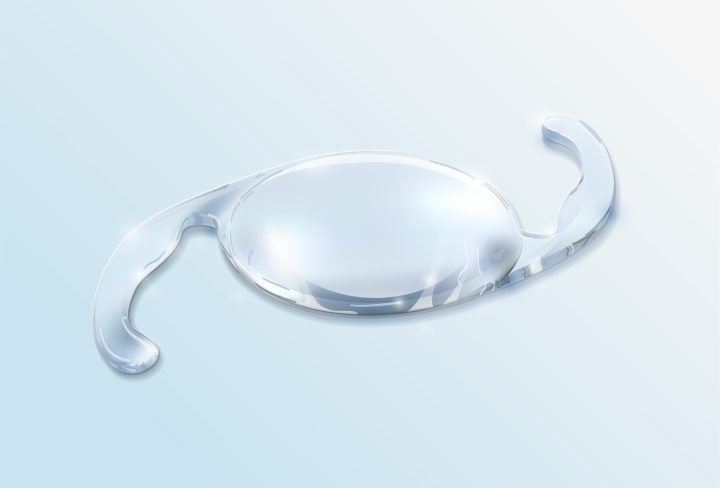
Intraocular lenses, or IOLs, are tiny artificial lenses placed inside the eye. Doctors use them to replace the eye’s natural lens during cataract surgery. Because there are different types of intraocular lenses, it is important to know your options. Choosing the right IOL can help restore clear vision and improve your quality of life.
Overview of IOLs
Doctors have used IOLs for many years. In the past, people who had cataract surgery needed thick glasses afterward. However, today’s IOLs are much better. They are designed to fit inside the eye and provide clear vision. As a result, most people no longer need strong glasses after surgery. According to the World Health Organization, cataract surgery with IOLs is one of the most common and successful eye procedures worldwide.
Types of Intraocular Lenses
There are several types of intraocular lenses available. Each type has its own features. Let’s look at the main IOL options for cataract surgery:
Monofocal IOLs
Monofocal IOLs are the most common type. They focus light at one distance, either near or far. Usually, doctors set them for clear distance vision. However, you may still need reading glasses for close work.
Multifocal IOLs
Multifocal IOLs allow you to see at more than one distance. They have special rings that help you focus on both near and far objects. Because of this, many people can reduce their need for glasses after surgery.
Toric IOLs
Toric IOLs are designed for people with astigmatism. Astigmatism is a common eye problem that causes blurry vision. These lenses correct both cataracts and astigmatism at the same time.
Accommodating IOLs
Accommodating IOLs move slightly inside the eye. This movement helps you focus on objects at different distances. While they may not fully replace reading glasses, they can improve your range of vision.
Extended Depth-of-Focus (EDOF) IOLs
EDOF IOLs provide a continuous range of vision. They help you see clearly at far and intermediate distances. Some people may still need glasses for very close work, but these lenses offer more flexibility than monofocal IOLs.
Pros and Cons of Each IOL Type
Each type of intraocular lens has benefits and drawbacks. Here is a simple comparison:
How to Choose the Right IOL
Choosing the best IOL for vision correction depends on your needs. Consider these factors:
For example, if you enjoy reading without glasses, you may prefer multifocal or EDOF IOLs. On the other hand, if you have astigmatism, a toric IOL may be best. Always discuss your lifestyle and vision goals with your eye care specialist. In some cities, you may find more IOL options or advanced technology, so ask about the latest choices in your area.
Frequently Asked Questions About IOLs
Conclusion and Next Steps
In summary, there are many types of intraocular lenses to choose from. Each type has its own pros and cons. Because your eyes and lifestyle are unique, it is important to talk with an eye care specialist. They can help you decide which IOL is best for your vision correction needs. Consult an eye care specialist to determine which type of intraocular lens is best for your needs.